
UKRAINE’S DAY OF UNITY (1/22)
For too long, narratives have obscured a foundational truth: Ukraine is a nation that forged its unity not by accident, but by conscious choice and strategic necessity. And the heart of that truth beats on January 22nd, Ukraine’s Day of Unity, or Den Sobornosti. This isn't just a historical footnote; it’s a living testament to a nation's enduring will.
The Double Anniversary: A Nation's Birth Pangs
The significance of January 22nd is rooted in two pivotal events, exactly one year apart, that laid the groundwork for modern Ukrainian statehood:
January 22, 1918: The Fourth Universal. Amidst the chaos of World War I, the Ukrainian Central Rada declared the complete independence of the Ukrainian People's Republic (укр. Українська Народна Республіка - УНР). This was a bold assertion, proclaiming Ukraine a "free, independent, sovereign state of the Ukrainian people" after centuries of imperial subjugation.
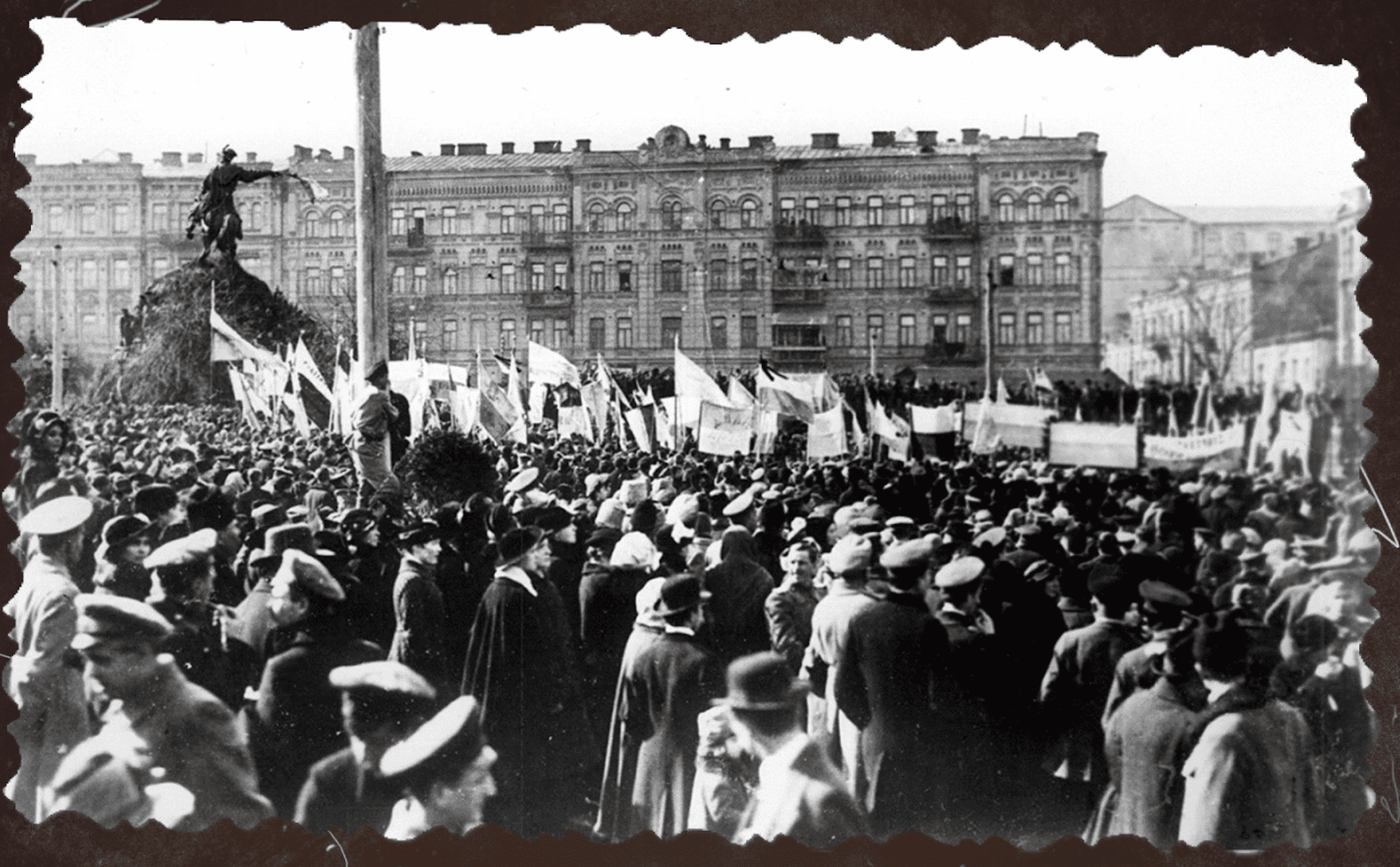
January 22, 1919: The Act of Unification (Act Zluky). One year later, on Kyiv's iconic St. Sophia Square, an even grander vision unfolded. The Ukrainian People's Republic officially united with the West Ukrainian People's Republic (укр. Західна Українська Народна Республіка).
This was more than a symbolic gesture; it was the physical manifestation of a long-held dream to bring together all Ukrainian lands, previously fragmented between the Russian and Austro-Hungarian empires, into a single, sovereign state.
Why Did This Happen? A Perfect Storm of Opportunity and Necessity
The Act of Unification wasn't merely a romantic ideal; it was a pragmatic, urgent response to the geopolitical realities of the time:
The Collapse of Empires Created a Narrow Window: World War I acted as a colossal wrecking ball, demolishing the Russian and Austro-Hungarian empires. This created an unprecedented, albeit fleeting, vacuum of power. Ukrainians on both sides of the historical divide moved with remarkable speed to establish their own state institutions, seizing a rare chance for self-determination.
Ukrainian Unity Was a Strategic Necessity: The newly declared republics were fragile entities, surrounded by powerful and often hostile neighbors—Bolshevik Russia, Poland, Romania, and others. Separate, they were easy prey. Unity was not about abstract nationalism; it was about survival. It was a clear-eyed recognition that a consolidated front was the only way to withstand external pressures.
National Identity Had Matured: By 1918–1919, decades of cultural revival, intellectual work, and political organizing had crystallized a clear understanding among Ukrainian elites, soldiers, and intellectuals: without unity, Ukraine would inevitably be swallowed by its imperial neighbors once more. The time for a singular, independent Ukraine had arrived.
The Hard Truth: A Dream Deferred
While the Act of Unification was a monumental declaration, its full realization was tragically cut short. The young Ukrainian state faced an impossible struggle:
Wars on Multiple Fronts: The UPR and ZUNR were immediately embroiled in simultaneous conflicts against overwhelming forces, including a brutal invasion by Bolshevik Russia.
Lack of International Support: Western powers, exhausted by WWI, largely failed to recognize or defend Ukrainian independence, leaving the nascent state vulnerable.
Imperial Violence Prevails: By the early 1920s, the dream was crushed. Ukraine was again partitioned, with the vast majority absorbed into the newly formed Soviet Union. The unity declared in 1919 was violently suppressed.
This failure does not negate the act itself. Instead, it defines its immense cost and highlights the enduring struggle for Ukrainian sovereignty.
Why the Day of Unity Still Matters Today (Especially Today)
The Day of Unity is not a relic of the past; it's a vital force in contemporary Ukraine, resonating with profound relevance:
It Directly Counters Imperial Myths: Russian propaganda persistently portrays Ukraine as an "artificial" state or a "divided" nation. January 22, 1919, stands as irrefutable evidence to the contrary: Ukrainians chose unity, consciously and publicly, long before the Soviet Union. This history proves that Ukrainian statehood is a centuries-old aspiration, not a modern invention.
It Explains Modern Resistance: The core struggle of 1919—Ukrainian unity versus imperial control, self-rule versus imposed "brotherhood"—is precisely the same fault line that defines Ukraine’s current conflict. From 1919 to 1991 (independence from the USSR) to 2014 (annexation of Crimea and war in Donbas) and 2022 (full-scale invasion), the conflict is continuous, not accidental. It's a persistent fight for the right to exist as a sovereign, unified nation.
Unity is Civic, Not Regional: The Day of Unity underscores that modern Ukraine's cohesion is fundamentally political and civic, transcending regional differences. Whether from the east or west, the center or the south, Ukrainians are united by a shared vision of an independent, democratic future. This idea of civic unity, rather than mere folkloric or ethnic ties, was already present in the aspirations of 1919.
The Myth of "Two Ukraines": Deconstructing Modern Propaganda
Today, the most pervasive weapon used against Ukrainian sovereignty is the narrative of a fundamental East-West divide. Modern Russian propaganda—including recent 2024 and 2025 "Nationalities Strategies" signed by the Kremlin—repeatedly insists that Ukraine is an "artificial" construct, a "cleft country" split between a pro-European West and a "historically Russian" East. This rhetoric claims that the regions are culturally incompatible and that their unification was a mistake of history.
However, the events of January 22, 1919, provide the ultimate "receipt" against these claims. The Unification was not imposed by a foreign power or a Soviet decree; it was a conscious, bottom-up movement led by Ukrainians from both sides of the Dniper who recognized that their survival depended on a single, civic identity. Today’s resistance in cities like Kharkiv, Zaporizhzhia, and Kherson—regions the Kremlin falsely labeled as "pro-Russian"—proves that the "Sobornist" envisioned a century ago has successfully transitioned from a romantic dream into a unified political reality.
Now you know - On January 22nd, Ukrainians commemorate not just a historical event, but a living principle—a continuous struggle for sovereignty and an unwavering commitment to the idea of a whole, independent Ukraine.
Other Facts About the Day of Unity:
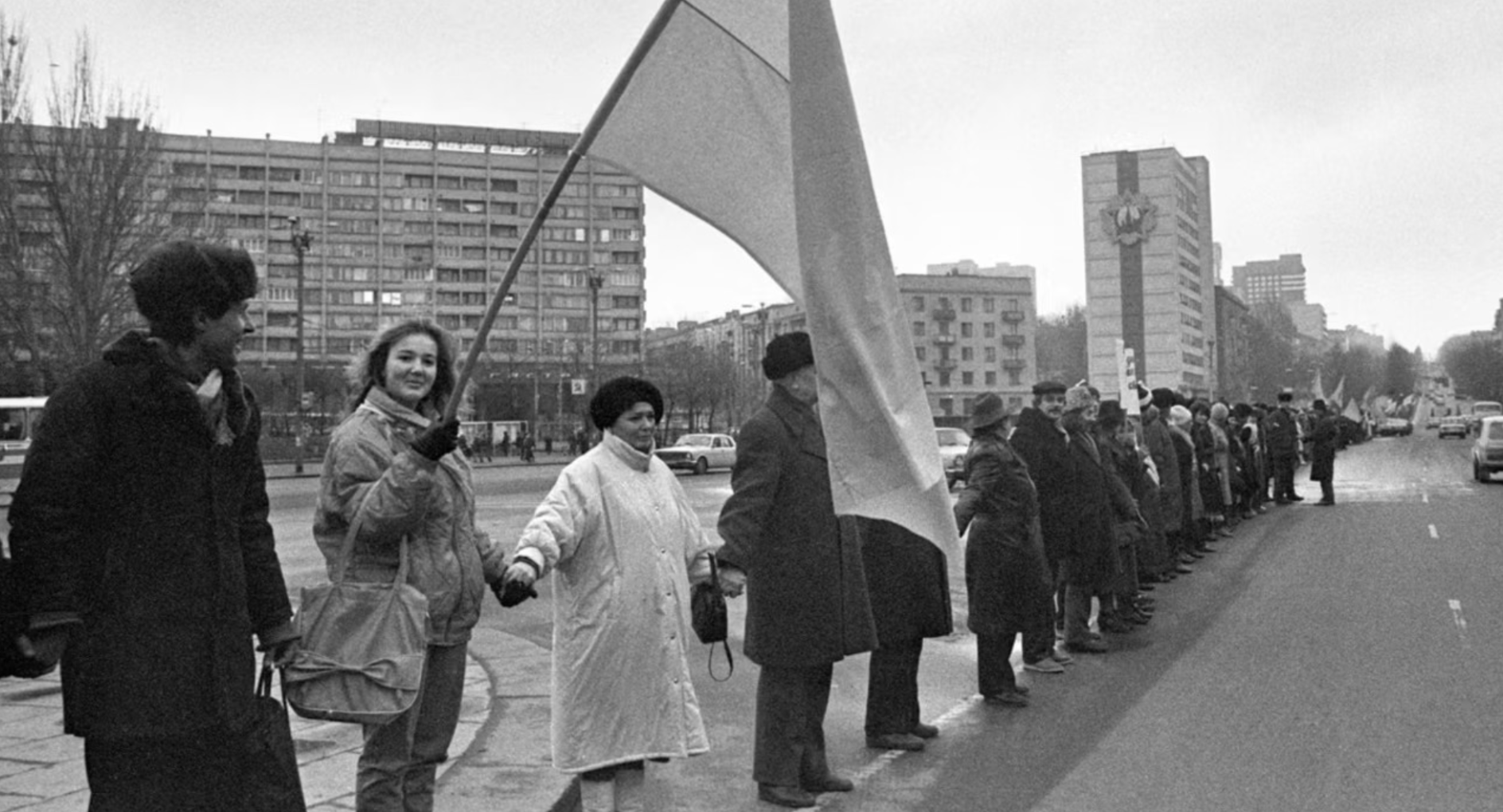
The "Human Chain" of 1990: On January 21, 1990 (the eve of the anniversary), millions of Ukrainians formed a human chain stretching approximately 600 kilometers from Kyiv to Lviv. This incredible act of solidarity, involving an estimated 450,000 to 3 million people, was a powerful display of national unity and a crucial step towards declaring independence from the Soviet Union just a year later.
A Different January 22nd: Before 1918, January 22nd was also a significant date in Ukrainian history. It marked the anniversary of the Battle of Kruty in 1918, where a small unit of Ukrainian cadets and students bravely fought against a much larger Bolshevik force near Kruty, delaying their advance on Kyiv and allowing the UPR government time to sign a peace treaty.
"Sobornist" Explained: The Ukrainian word for Unity, "Sobornist" (Соборність), carries a deeper meaning than just simple unity. It implies a "conciliarity" or "catholicity" – a gathering together, a spiritual and territorial indivisiveness that encompasses all parts of the nation.
The Golden Trident: The current Coat of Arms of Ukraine, the Trident (Tryzub), was officially adopted by the Ukrainian People's Republic in 1918. Its use on symbols of the unified state further cemented its place as a symbol of independent Ukraine.
Symbolic Bridge Crossings: In modern Ukraine, it's common for people to form "living chains" across bridges, especially in Kyiv, to symbolize the continued unity between the banks of the Dniper River and between all regions of the country.
Further reading:
Unification Act:
https://en.wikipedia.org/wiki/Unification_Act
Human Chain on 1990:
https://www.rferl.org/a/living-chain-across-ukraine-independence-soviet-union/32788067.html
Ukraine celebrates Day of Unity:
https://www.ukrinform.net/rubric-society/2860449-ukraine-marks-day-of-unity.html
