THE TRYZUB: A NATIONAL SYMBOL OF UKRAINE
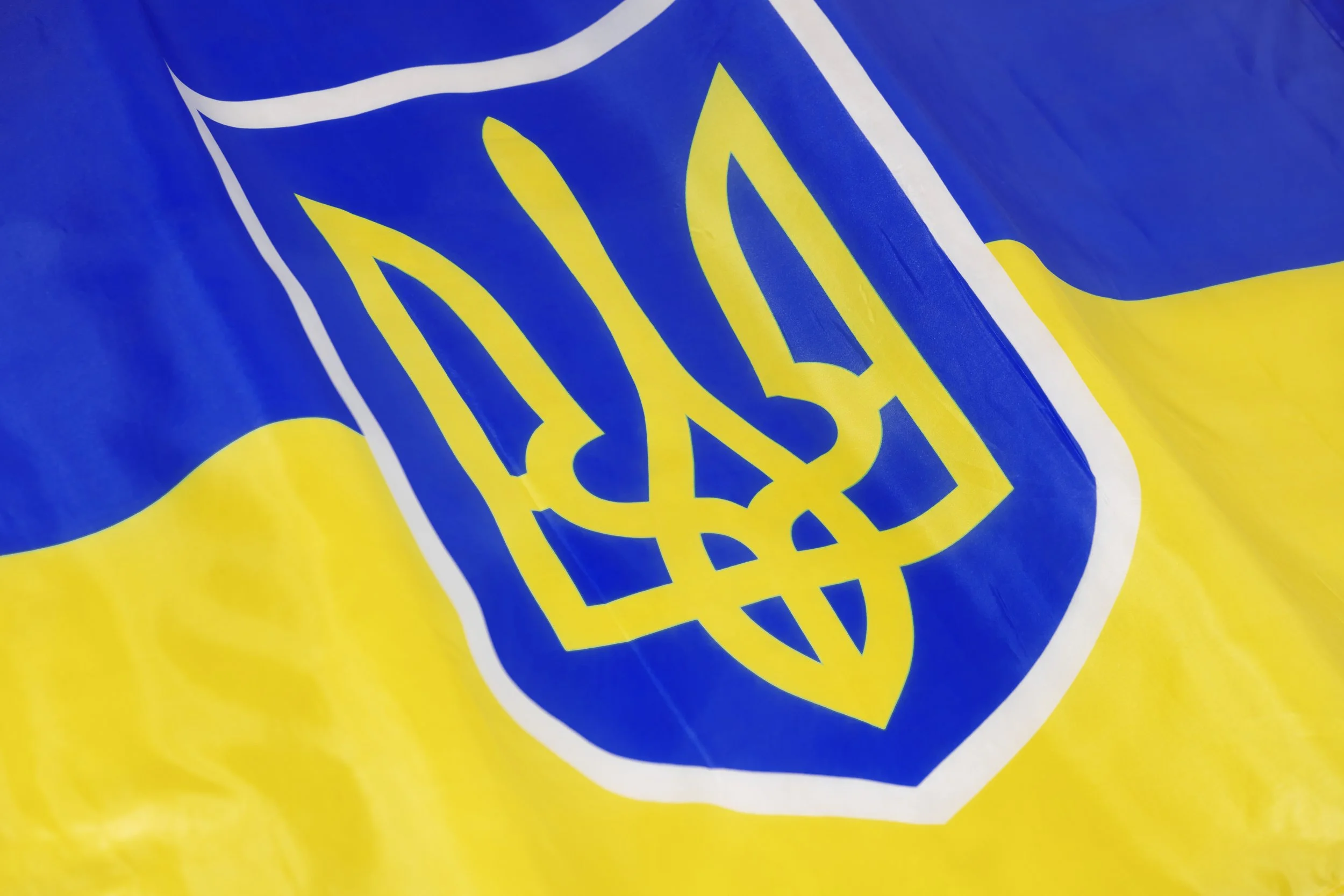
Ukraine’s visual language is wonderfully consistent: from the princes of Kyivan Rus to the blue-and-yellow state today, the same core signs keep coming back—especially the trident (tryzub) and its close cousin, the bident.
Kyivan Rus (10th–11th c.)
The tryzub, or trident, has a deep and fascinating history in Ukraine, predating its modern use as a national emblem. Its origins trace back to the princes of the Kyivan Rus, particularly Volodymyr the Great (ca. 958–1015). The symbol was not a static design; it evolved over time and was used as a personal sign for rulers, similar to a coat of arms. It appeared on coins, seals, and other artifacts, signifying the authority of the Rurik dynasty. While its exact meaning remains a subject of debate among historians, some theories suggest it represents a falcon, a stylized anchor, or a symbol of the Holy Trinity.
During the period of the Kyivan Rus, the bident, a two-pronged version, was also used, particularly by Volodymyr's predecessor, Sviatoslav I. The bident is closely related to the tryzub, and their historical usage often overlaps. The transition from the bident to the tryzub is not linear, and both symbols were part of the visual lexicon of the ruling princes.
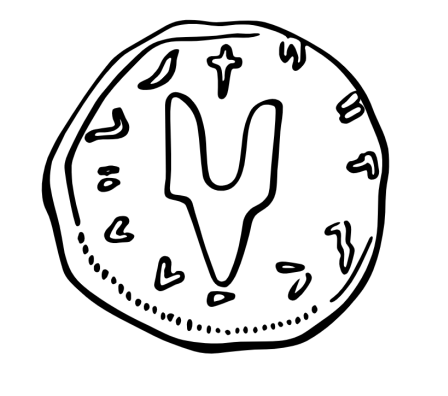
Sviatoslav’s bident (двозуб): Early Rurikid symbols on seals and pendants include the bident used for Prince Sviatoslav the Brave
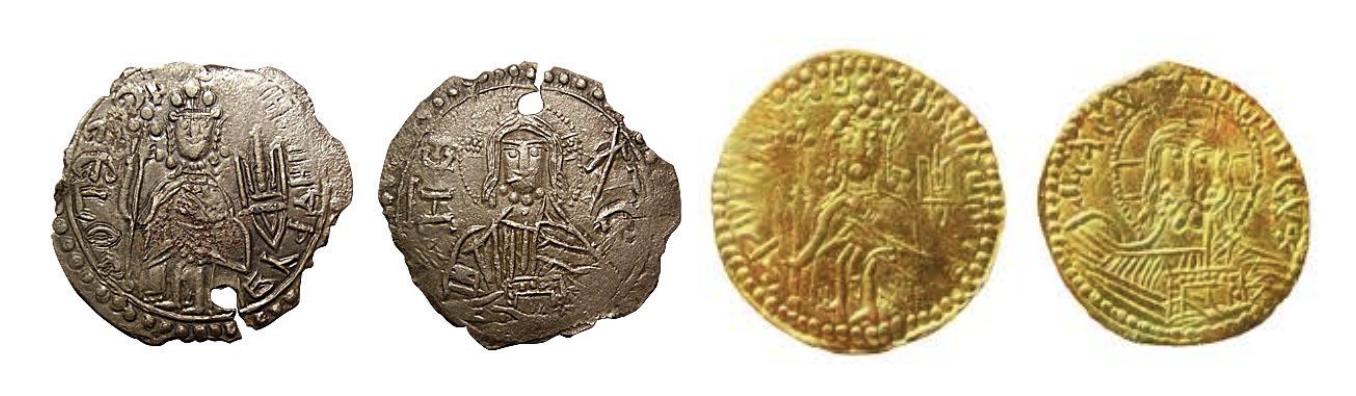
Volodymyr’s trident (тризуб): Prince Volodymyr the Great stamped a trident on gold zlatnyks and silver sriblianyks; these are among the earliest surviving depictions of the sign.
The Cossack Era (16th-18th Century)
During the Cossack era, a new symbol emerged that would become a cornerstone of Ukrainian identity, representing the spirit of freedom and military prowess.
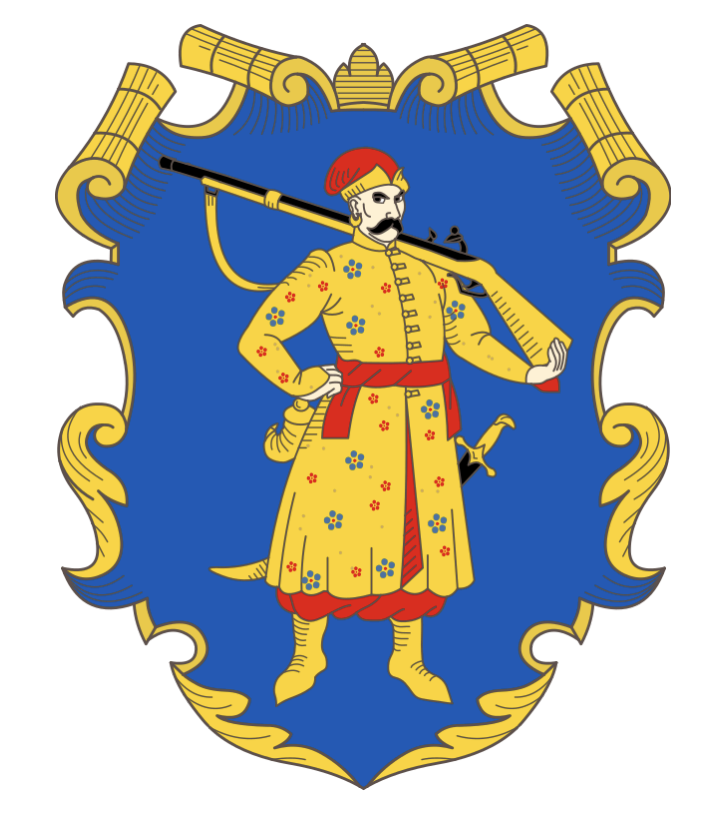
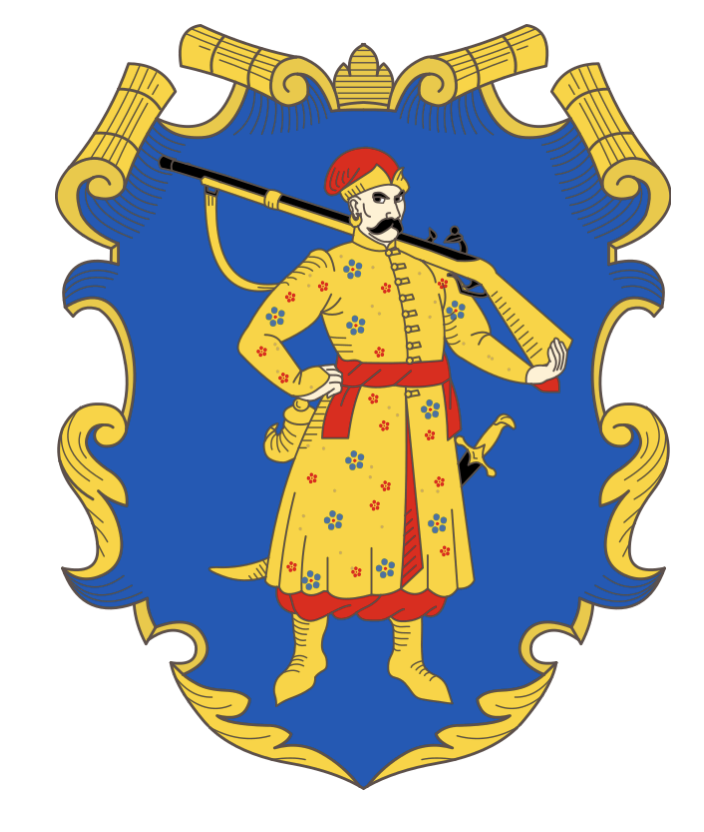
The “Cossack with Musket”: The coat of arms of the Zaporizhian Host featured a Cossack in traditional attire holding a musket. This emblem first appeared on seals in the late 16th century and became a lasting symbol of the Hetmanate, the Cossack state that controlled much of central Ukraine. It represents the self-governing, military-oriented nature of Cossack society and their struggle for autonomy. This symbol is often seen as the primary heraldic representation of the Ukrainian people's early modern statehood.
The Birth of Modern National Symbols (1917-1921)
The early 20th century saw the explicit revival of historical symbols to forge a modern Ukrainian national identity.
The Ukrainian People’s Republic (UNR): In 1918, following the proclamation of independence, the UNR officially adopted Volodymyr’s tryzub as its state emblem, on the proposal of historian and politician Mykhailo Hrushevsky. This act was a deliberate and symbolic connection to the historical state of Kyivan Rus'. The artist Vasyl Krychevsky designed both the small and great coats of arms, incorporating the tryzub.
Tryzub on Banknotes: Artist Heorhii Narbut further popularized the tryzub by integrating it into the designs of UNR banknotes, ensuring its widespread recognition among the populace. This act helped transition the tryzub from a historical artifact to a modern symbol of statehood.
World War II and the Struggle for Independence (1930s-1940s)
During this tumultuous period, Ukrainian symbols took on new meaning in the context of armed struggle against foreign powers.
Carpatho-Ukraine: In 1939, the short-lived state of Carpatho-Ukraine adopted a coat of arms that featured the tryzub augmented with a cross, further signaling a spiritual and historical link to Volodymyr's Christian state.
OUN and UPA: The Organization of Ukrainian Nationalists (OUN) and the Ukrainian Insurgent Army (UPA) used symbols that became emblematic of the armed independence movement. The red-and-black banner, representing "Ukrainian red blood on Ukrainian black soil," and the sword-trident, a militarized version of the tryzub, were widely used by these groups. While still a subject of controversy due to their association with nationalist factions, these symbols are recognizable markers of the independence struggle of that era.
Independent Ukraine (Since 1991)
Following the collapse of the Soviet Union, independent Ukraine formally codified its national symbols, once again reaching back to its historical roots.
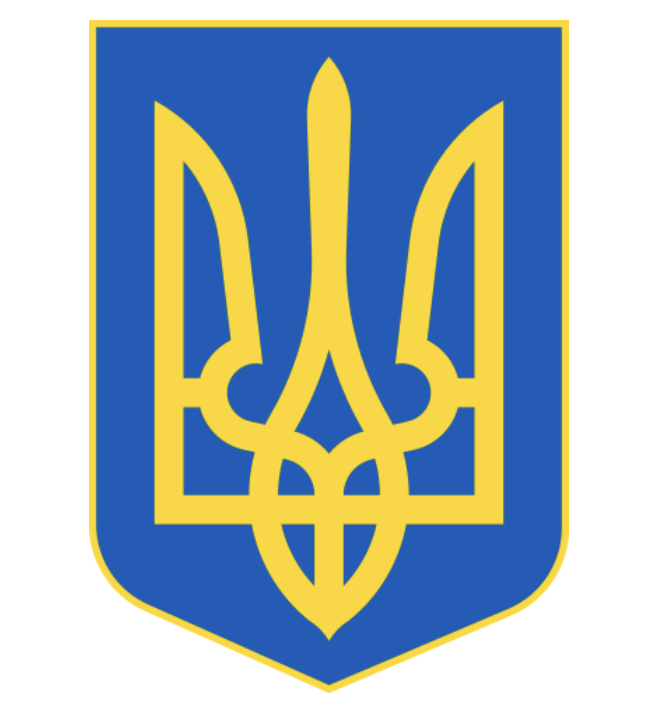
The Small State Coat of Arms: On February 19, 1992, the Verkhovna Rada (parliament) approved the Small State Coat of Arms, featuring a gold tryzub on a blue shield. This is Ukraine's current official national emblem and serves as the core element for the future Great State Coat of Arms.
The Proposed Great Arms: The 1996 Constitution of Ukraine mandates the creation of a Great State Coat of Arms, with the tryzub as its central element. Many proposals for this emblem have included the Cossack with a musket as a supporter, visually unifying the two most significant periods of Ukrainian statehood: Kyivan Rus' and the Cossack Hetmanate.
The continuity of these symbols over a millennium—from the dynastic seals of Kyivan Rus' to the national emblems of today—illustrates a deeply rooted and resilient national identity. The tryzub serves as the primary visual thread, while the Cossack with a musket anchors the modern era, together telling a compelling story of statehood, struggle, and rebirth.
A Contemporary Military Identity
The revival of the tryzub and bident in modern Ukraine is most strikingly visible in the insignia and emblems of the Armed Forces. Units have adopted stylized versions of these historic symbols to forge a unique military identity rooted in national heritage. The tryzub is widely used, often incorporated into unit patches and logos. For instance, a number of special forces and reconnaissance units use a modernized, often more aggressive, tryzub design. The bident, a less common but historically significant symbol, has also been reclaimed. It appears in the insignia of some elite units, serving as a direct link to the martial legacy of Prince Sviatoslav. This widespread adoption of ancient princely emblems by the contemporary military underscores the Ukrainian armed forces' role not just as a defensive force, but as a guardian of the nation's millennia-old historical and cultural lineage.
Fun Facts
A Hidden Word: Some historians and linguists believe the tryzub's design cleverly incorporates the Cyrillic letters for "Volodymyr" (ВОЛОДИМИР) or "Freedom" (ВОЛЯ), with the central prong forming the 'O' and the surrounding lines forming the other letters. While debated, it's a popular interpretation of the symbol's intricate design.
The Meaning of the Name: The word tryzub itself is a combination of the Ukrainian words try (three) and zub (tooth), literally meaning "three teeth" or "trident."
The Tryzub and the World of Sports: The Ukrainian national football team often has a stylized tryzub on its uniform, representing national pride. The symbol is also widely used by Ukrainian athletes at international competitions.
A Symbol of Resistance: During the Soviet era, the use of the tryzub was strictly forbidden as a "bourgeois nationalist symbol." Ukrainian dissidents would secretly wear or display the emblem to show their support for an independent Ukraine, making it a powerful symbol of quiet resistance.
Sources (selected)
Verkhovna Rada of Ukraine, Resolution on the State Coat of Arms (Feb 19, 1992). zakon.rada.gov.ua
Constitution of Ukraine, Art. 20 (on Great Arms composition). Council of Europe
Encyclopedia of Ukraine (CIUS) on Trident and coats of arms; adoption by the UNR and Carpatho-Ukraine. encyclopediaofukraine.com+1
National Bank of Ukraine on early coins and Narbut’s banknotes with the tryzub. Національний банк України+1
Academic work on Rurikid dynastic emblems; sigillographic evidence for Sviatoslav’s bident. Academia+1
Cossack “Cossack with musket” emblem (overview). Wikipedia
WWII-era symbolism: OUN/UPA (red-black flag; sword-trident).Wikipedia+1